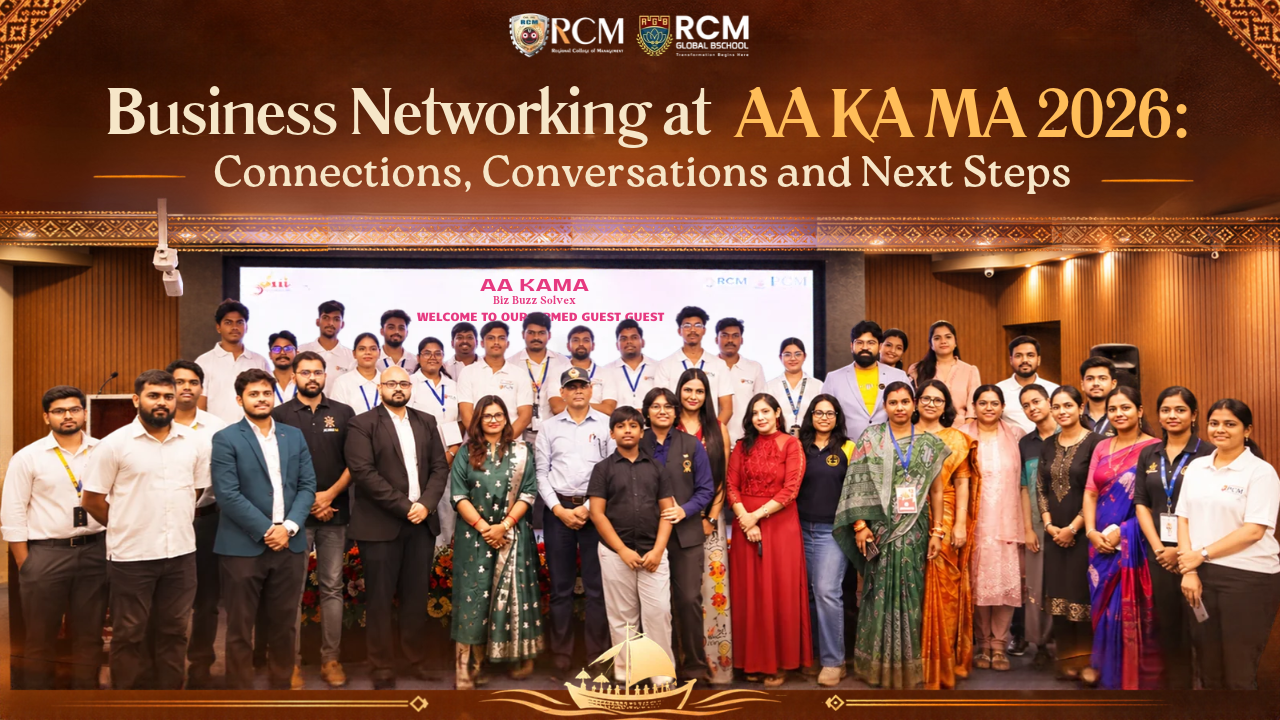
Business networking for small business owners means building useful relationships with customers, peers, mentors and suppliers. At AA KA MA 2026, held on 14–15 November at the RCM Campus in Bhubaneswar, founders, students and industry guests met through pitch sessions, entrepreneurial stalls and open conversations.
When the lights dim on a two-day business event, the real work begins. A visiting card sits in a pocket, a stall owner remembers a promising customer, and a student replays a conversation with a founder. What happens next decides whether an event was only memorable or genuinely useful. This post-event review looks at how business networking for small business owners played out at AA KA MA Bizz Buzz Soirée 2026, and what founders, artisans and students can do with the connections they made.
AA KA MA 2026 was hosted by Regional College of Management (RCM) on its campus at Chandrasekharpur, Bhubaneswar, and is billed as India’s east coast biggest business carnival. Its idea is rooted in Odisha’s maritime legacy: the Sadhabas, the traders of ancient Kalinga who sailed to distant markets, carried goods and also carried relationships. The event asks a modern question with an old answer. If trade once travelled by boat on the strength of trust and partnerships, how should a small business grow today? Largely the same way, through people.
Table of contents
- What Is AA KA MA Bizz Buzz Soirée 2026?
- Why Business Networking Matters for Small Business Owners
- How Entrepreneur Connections Were Built Across Two Days
- The Conversations That Matter Most
- Networking Lessons for Handmade, Artisan and Food Businesses
- Next Steps: A Practical Follow-Up Plan
- What Students Take Away from a Business Carnival
- Where to Read More About AA KA MA 2026
- Frequently Asked Questions
- Final Thoughts
What Is AA KA MA Bizz Buzz Soirée 2026?
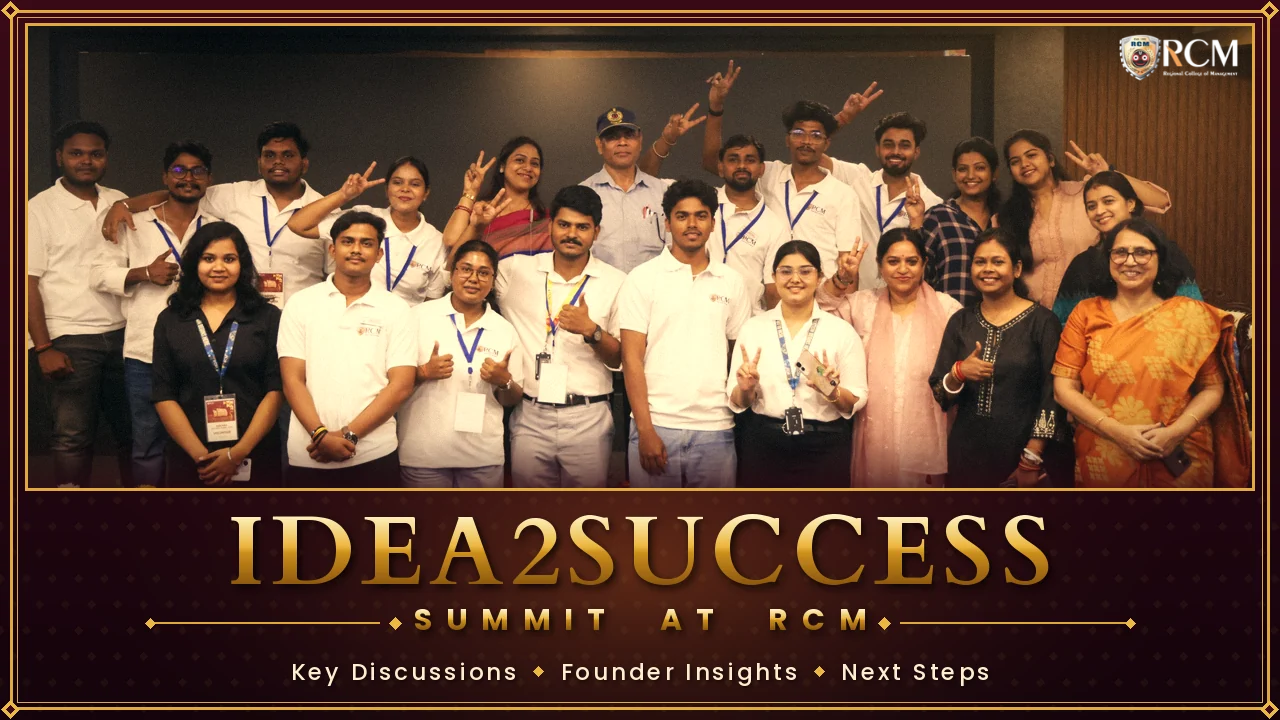
AA KA MA Bizz Buzz Soirée is an entrepreneurship initiative of RCM Bhubaneswar that brings together startup founders, student ventures, small business owners, mentors and investors. The 2026 edition carried the theme of connecting Odisha’s maritime heritage with a new era of enterprise, built around three ideas: heritage, innovation and enterprise. The format combined a startup pitch platform, the Idea2Success Summit, an exhibition of entrepreneurial stalls, expert talks and cultural performances. You can read the full programme on the official AA KA MA 2026 event page.
AA KA MA 2026 at a glance
| Detail | Information |
|---|---|
| Event | AA KA MA – Bizz Buzz Soirée 2026 |
| Organiser | Regional College of Management (RCM), Bhubaneswar |
| Dates | 14–15 November 2026 |
| Venue | RCM Campus, Chandrasekharpur, Bhubaneswar, Odisha |
| Core activities | Startup pitches, Idea2Success Summit, entrepreneurial stalls, networking, cultural programme, awards and recognition |
| Chief Guest | Smt. Aparajita Sarangi, Hon’ble Member of Parliament, Lok Sabha |
| Sponsors / media partner | SIDBI, Scalermate, Oasis / Metro TV Odisha |
Why Business Networking Matters for Small Business Owners
Most small business owners in Odisha already network without calling it that. A home baker gains customers through a neighbour’s recommendation. A weaver finds a new buyer through a cousin’s contact. Small business networking simply turns these informal habits into a deliberate practice. Done well, it brings four things that advertising rarely delivers on its own.
- Trusted customers. People buy from those they have met, especially for handmade products and local food brands.
- Honest feedback. A fellow founder will tell you what a customer will not: the price feels high, or the packaging looks unfinished.
- Access to mentors and funding conversations. A single introduction can save months of guesswork.
- Peer learning. Someone has probably solved your problem already, whether it is GST filing, courier costs or Instagram reach.
For students, the benefit is equally practical. Management theory becomes real when you watch a founder handle a difficult customer or defend a price in front of a jury.
How Entrepreneur Connections Were Built Across Two Days
The strength of AA KA MA 2026 lay in its structure. Instead of leaving networking to chance, the programme created repeated, low-pressure meeting points. According to the official agenda, Day 1 opened at 9:00 AM with registration and the formal inauguration, followed by a lamp-lighting ceremony, a classical dance performance and an address by the Chief Guest. Soon after came a visit to the entrepreneurial stalls and an interaction with entrepreneurs, before three pitch deck sessions began. The day closed with jury feedback and an evening of stall operations, visitor engagement and networking until 9:00 PM.
Day 2 shifted towards the visitor experience. It started at 11:00 AM with stall openings and product showcases, continued with the final pitch presentations, interaction between entrepreneurs and the jury, a cultural programme, and the awards and recognition ceremony. The valedictory address and a closing networking session wrapped up the carnival by 9:00 PM.
1. The Captain’s Pitch: where ideas meet experts
Pitch sessions are an underrated networking tool. When a founder presents an idea to a jury of experts, everyone in the room learns what that founder does, and the questions asked often open doors afterwards. The Captain’s Pitch invited founders to present a pitch deck, share their business vision and connect with experts and investors. Founders who want to understand what evaluators weigh can read What Investors Look for in a Startup Pitch in 2026.
2. Enterprise Harbour: the stall floor as a conversation space
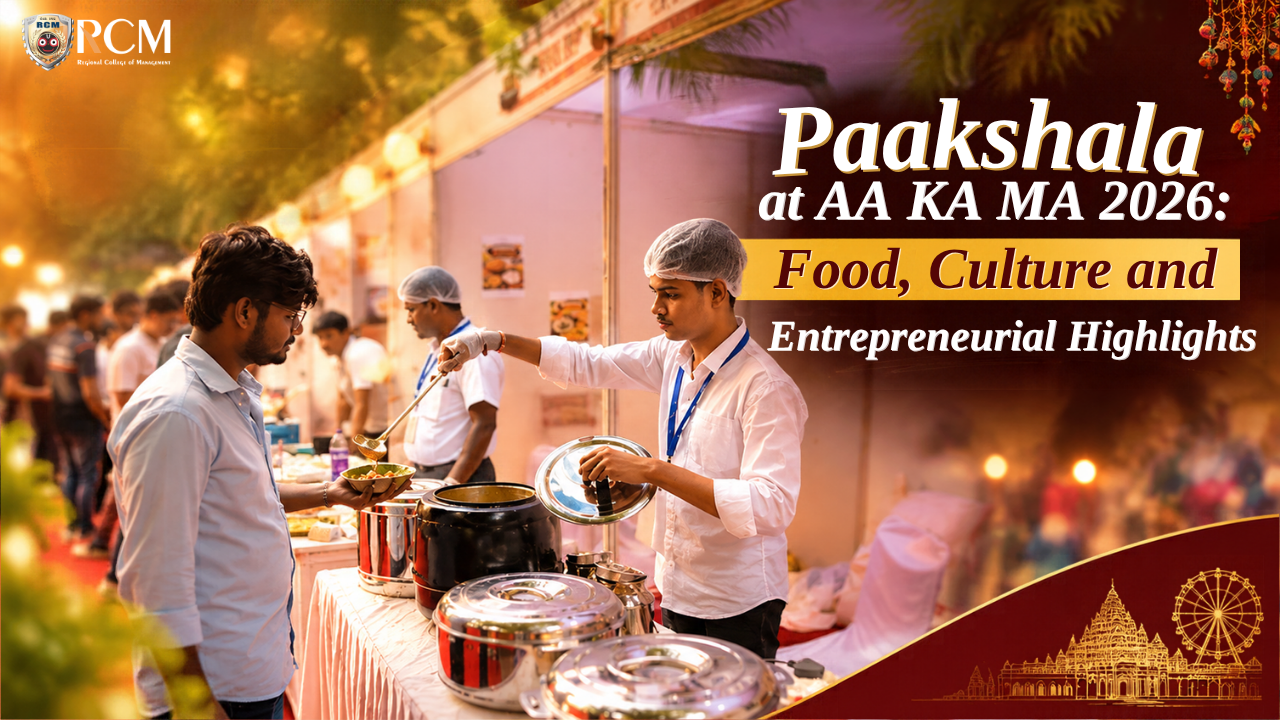
Enterprise Harbour presented emerging ventures and products in a marketplace setting. The official page highlights brands such as Fatma’s, Teej – A Weaver’s Tale, Banalata, Eco Boon Apparels, Mizizi Lifestyle, Vriddhi Exotica, INDII VERSE and Pick Your Gifts, which reflect the mix of handmade products, apparel, lifestyle and gifting businesses on show. For a customer, a stall is a product demonstration. For an owner, it is a live research lab. First-timers can learn from How Small Businesses Can Prepare for Their First Exhibition Stall.
3. Trade Winds: structured room for exchanging ideas
Trade Winds was designed for entrepreneurs and industry leaders to exchange ideas and explore collaborations. This is the heart of industry networking: conversations that begin with “What are you working on?” and end with “Let us talk next week.” The same logic is explained in Startup Networking in Bhubaneswar: Where Founders Can Build Useful Connections.
4. The Innovation Voyage and The Trade Challenge
These two experiences encouraged participants to challenge conventional thinking and test strategic and entrepreneurial decision-making. Team-based challenges are an effective way to meet strangers, because people reveal how they think under pressure far faster than they do over small talk.
5. Legacy of the Sadhabas: heritage as common ground
The sixth experience celebrated Odisha’s maritime trading heritage, courage and spirit of exploration. Shared heritage gave a diverse crowd of students, artisans, founders and professionals a natural conversation starter, which is a quiet but powerful networking advantage.
Explore More About AA KA MA
Read stories, insights and practical guides related to entrepreneurship and business.
How RCM Students Can Learn Entrepreneurship Through AA KA MA 2026
Discover how students develop entrepreneurial skills through live business stalls, startup pitches, networking and real-world experiences.
Read Article →How to Attract Customers to Your Exhibition Stall
Learn practical ways to attract visitors, showcase products, engage customers and make your exhibition stall stand out.
Read Article →Startup Networking in Bhubaneswar: Where Founders Can Build Useful Connections
Explore how founders, entrepreneurs, mentors and business professionals can build meaningful connections and grow their networks.
Read Article →← Swipe or scroll to explore more articles →
The Conversations That Matter Most
Not every useful exchange happens on a stage. The most valuable conversations at a business carnival are often the unscripted ones: a food entrepreneur asking a packaging founder where she sources boxes, an artisan hearing why a customer hesitated at a price tag, a student asking a founder how the first month of sales felt. The programme listed speakers whose backgrounds cover startup ecosystems, venture capital, international expansion, financial advisory and technology leadership, including Soumya Panda of Simplifoundr, K. Ajay Kumar of XBandGlobal, Krishna Rath of Zenisk Insurance, Venkatesh Setty of VCPlus, Srustijeet Mishra and Mohar Mishra. For a small business owner, each of these areas represents a question worth asking: how do I validate an idea, enter a new market, manage money or invest in technology?
Good questions are the simplest networking skill. “What is the biggest mistake you made in your first year?” will always get a better answer than “Can you help my business?” Women entrepreneurs, who often juggle production, marketing and family responsibilities, can find additional guidance in Women Entrepreneurs in Odisha: Businesses, Barriers and Growth Opportunities.
Networking Lessons for Handmade, Artisan and Food Businesses
Odisha’s local economy is rich in artisan products, handloom, jewellery, home décor and food brands that grow from home kitchens. These businesses share a common strength, which is a story, and a common weakness, which is limited reach. Events like AA KA MA address that gap by putting the maker next to the customer. Three habits make the difference.
- Carry your story, not only your catalogue. Explain who makes the product, where the craft comes from and why it matters.
- Capture every contact. A QR code that opens your WhatsApp Business or Instagram profile turns a passing visitor into a reachable customer.
- Note the question behind each question. A customer asking “Do you deliver outside Bhubaneswar?” is telling you about a market you have not served yet.
Once the carnival ends, the same relationships can move online. From Local Market to Online Store: Digital Growth for Odisha Businesses explains how to take that step without losing the personal touch.
Next Steps: A Practical Follow-Up Plan
A connection becomes a relationship only after the follow-up. The table below turns the days after an event into a simple routine that any small business owner can use.
Post-event networking checklist
| Timeline | Action | Why it works |
|---|---|---|
| Within 24 hours | Write down who you met, what you discussed and what you promised | Memory fades quickly; notes keep details accurate |
| Within 48 hours | Send a short, personal message that recalls one specific moment | It shows attention and separates you from mass messages |
| Within 1 week | Connect on LinkedIn or Instagram and share one useful resource | Value first builds trust before any request |
| Within 2 weeks | Propose one clear next step: a call, sample, or short meeting | A specific ask is easier to say yes to than a vague one |
| Within 1 month | Review which contacts produced leads, advice or collaborations | You learn which events and conversations deserve your time |
Keep the tone warm and the message short. For instance: “It was great meeting you at AA KA MA 2026 in Bhubaneswar. I enjoyed our chat about packaging. Could we speak for ten minutes next week?” Notice that it names the event, recalls a topic and asks for one thing.
Use official resources alongside personal contacts
Networking works best when paired with formal support. Small business owners can explore government and institutional resources, such as the Startup India portal for recognition and learning resources, the Udyam Registration portal for MSME registration, and SIDBI, a development finance institution that supported AA KA MA 2026 as a sponsor. Always confirm eligibility and current terms on the official sites before applying.
What Students Take Away from a Business Carnival
AA KA MA is also a learning event for management students. Volunteering, observing pitches and speaking with stall owners builds communication, negotiation and market-reading skills that textbooks only describe. Students who want to start small can read Student Entrepreneurship in India: How College Students Can Start Small and What Students Will Learn by Managing a Live Business Stall. This hands-on approach reflects RCM’s wider focus on industry-integrated learning in its MBA+ and PGDM+ programmes.
Where to Read More About AA KA MA 2026
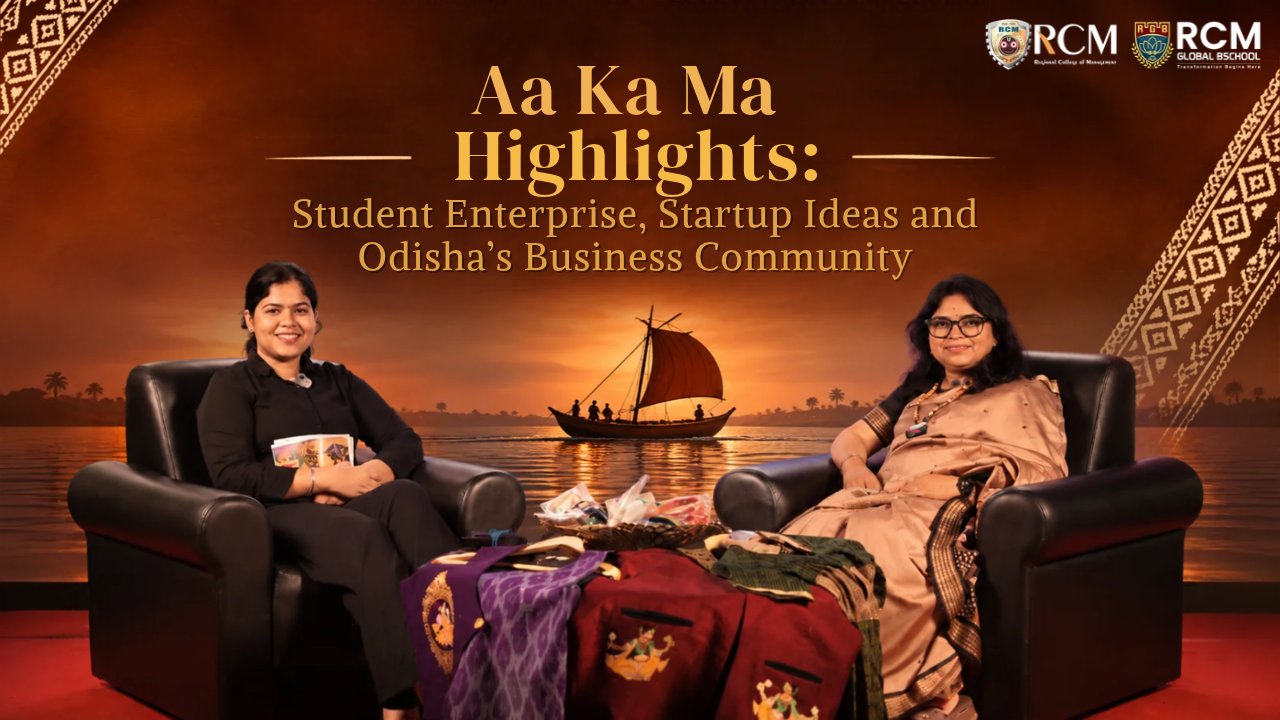
For the complete picture of the carnival, start with our pillar article, AA KA MA 2026 Highlights: Student Enterprise, Startup Ideas and Odisha’s Business Community (BA-100). If you are preparing to present at a future edition, read Startup Pitch Competition in Odisha: How Founders Can Prepare. For the programme itself, see AA KA MA 2026 Agenda: Day-Wise Programme, Pitch Sessions and Activities.
Frequently Asked Questions
It is the deliberate building of useful professional relationships with customers, peers, mentors and suppliers to create sales, advice and partnerships.
It gives them access to feedback, customers and opportunities that advertising alone rarely delivers.
Set a goal, prepare a short introduction, ask good questions, collect contacts and follow up within 48 hours.
It was held on 14–15 November 2026 at the RCM Campus, Bhubaneswar, Odisha.
Regional College of Management (RCM), Bhubaneswar, organises it.
It connects Odisha’s maritime trading heritage with modern entrepreneurship, startups and business learning.
Final Thoughts
AA KA MA 2026 showed that the oldest business advice still holds. The Sadhabas of Kalinga did not rely on cargo alone; they built trust across oceans. Today’s founders in Bhubaneswar and across Odisha can do the same, one conversation and one thoughtful follow-up at a time. If you met someone useful at the carnival, message them this week. If you missed it, the connections you build tomorrow begin with the first hello.
Build Your Business Network from Day One at RCM
Learn management in a campus where live business events, pitch platforms and industry exposure are part of student life.