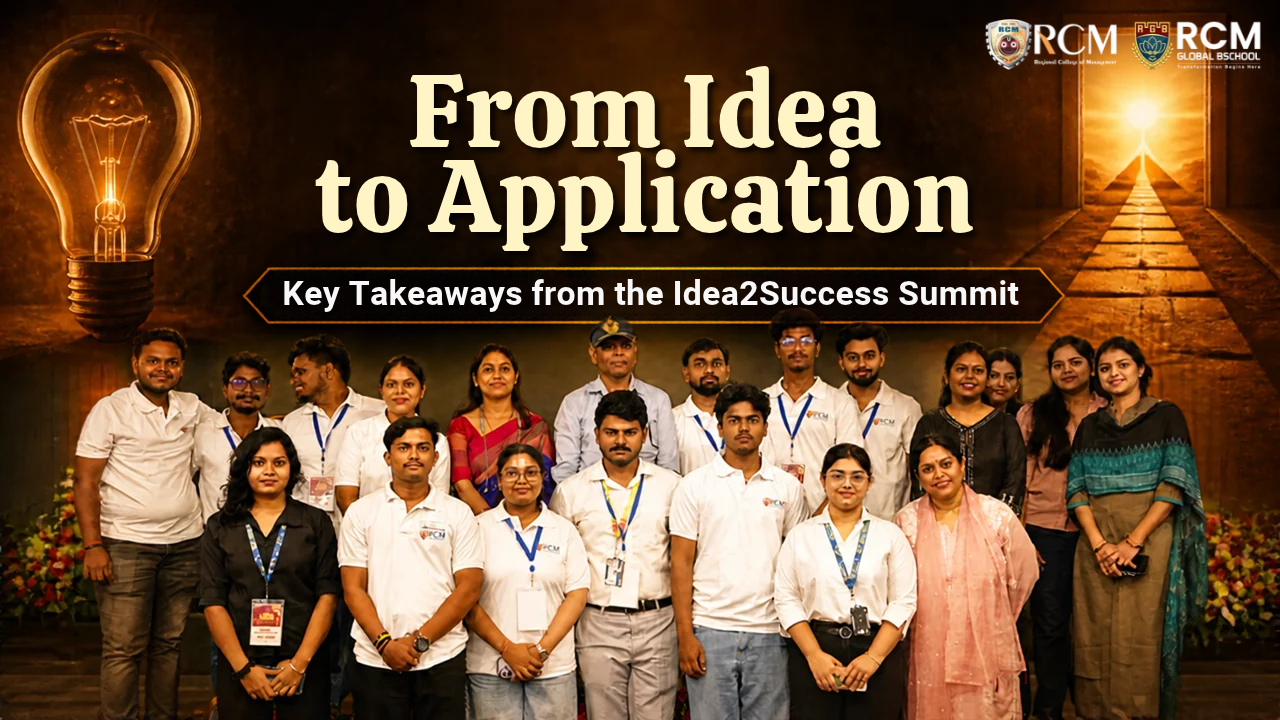
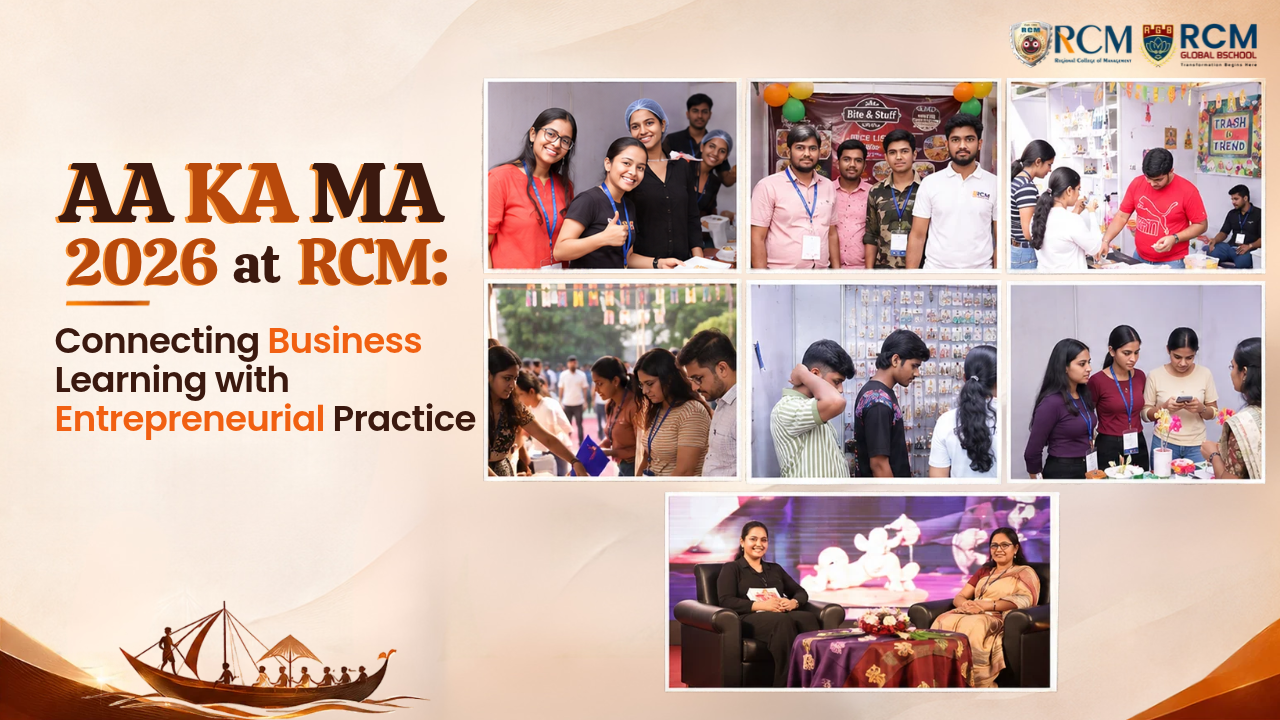
RCM AA KA MA 2026 was a two-day business carnival held on 14–15 November 2026 at the RCM Campus, Bhubaneswar. It combined startup pitches, entrepreneurial stalls, expert talks and networking, so students and founders could practise business ideas in real conditions rather than only study them.
Every management student learns about marketing, finance and strategy from textbooks. Far fewer get to test those ideas in front of a jury, a real customer or an experienced founder in the same week. That gap between knowing and doing is exactly what the AA KA MA Bizz Buzz Soirée 2026 set out to close in Bhubaneswar, Odisha.
Positioned as India’s east coast biggest business carnival, the event was an initiative of Regional College of Management (RCM). This recap looks at how the two days connected business learning with entrepreneurial practice, and what students, small business owners and aspiring founders can carry forward.
Table of contents
- Quick Facts: AA KA MA 2026 at a Glance
- What Was AA KA MA 2026 at RCM?
- Why Business Learning Needs Entrepreneurial Practice
- How Did the Two Days Turn Learning into Practice?
- View the supplied AA KA MA 2026 Facebook poster/carousel
- What Did Students Practise at the Pitch Sessions?
- What Do Entrepreneurial Stalls Teach That Classrooms Cannot?
- How Does Networking Turn into a Business Outcome?
- Why Does Odisha’s Heritage Matter to Modern Enterprise?
- Which RCM Programmes Link to This Kind of Learning?
- Key Takeaways from AA KA MA 2026
- Frequently Asked Questions
Quick Facts: AA KA MA 2026 at a Glance
| Detail | Information |
|---|---|
| Event | AA KA MA – Bizz Buzz Soirée 2026 |
| Organiser | Regional College of Management (RCM), Bhubaneswar |
| Dates | 14–15 November 2026 (Day 01 and Day 02) |
| Venue | RCM Campus, Chandrasekharpur, Bhubaneswar, Odisha |
| Theme | Odisha’s maritime legacy meeting modern enterprise |
| Core formats | Startup Pitch & Idea2Success Summit, entrepreneurial stalls, speaker sessions, networking, cultural programme |
What Was AA KA MA 2026 at RCM?
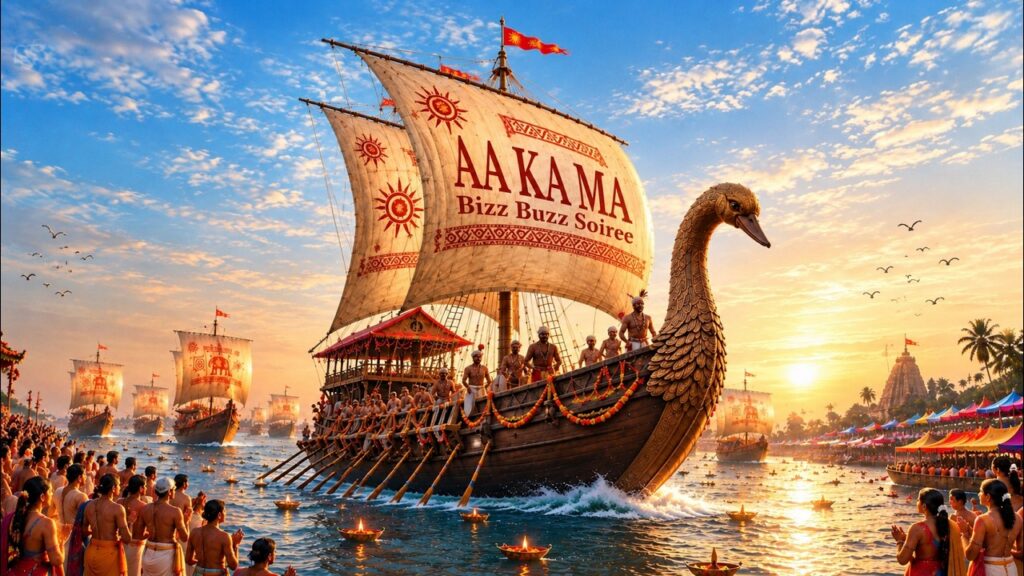
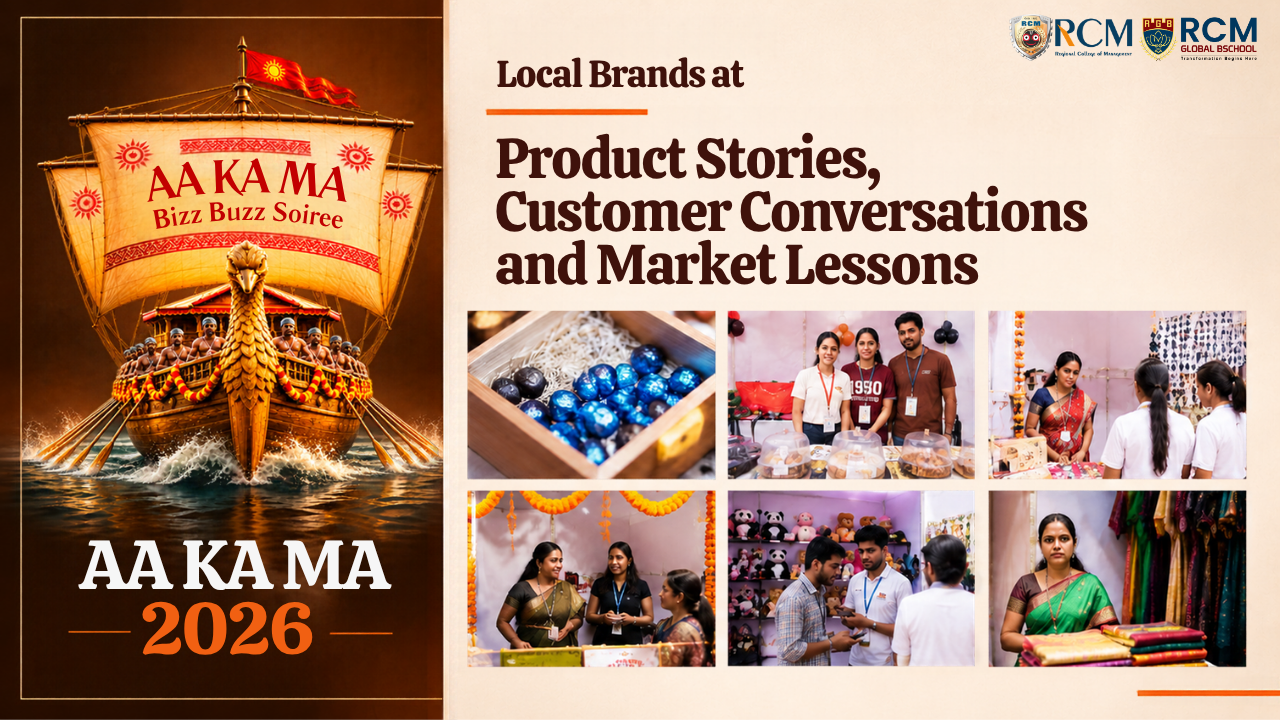
AA KA MA 2026 was RCM’s Bizz Buzz Soirée, built around the idea of “Where Heritage Meets Enterprise.” The name and theme draw on the maritime trading tradition of ancient Kalinga, when Odisha’s merchants, known as Sadhabas, sailed to distant markets. The 2026 edition linked that spirit of enterprise to today’s students, startups and small businesses.
The AA KA MA 2026 event page describes the programme as a mix of business showcases, pitch opportunities, networking and interactive experiences. For readers who want the full story of the edition, our pillar post, AA KA MA 2026 Highlights: Student Enterprise, Startup Ideas and Odisha’s Business Community, covers the wider picture .
Why Business Learning Needs Entrepreneurial Practice
A classroom can explain what a value proposition is. It cannot easily recreate the moment a visitor walks past your stall and loses interest in ten seconds. Entrepreneurial practice fills that gap in three ways:
- It tests theory quickly. A pricing model or pitch structure either holds up in conversation or it does not.
- It builds confidence. Speaking to strangers about your idea becomes easier with repetition.
- It creates feedback loops. Jury comments, customer questions and peer reactions show what to improve next.
This is also why Student Entrepreneurship in India: How College Students Can Start Small argues that a small, real trial beats a perfect plan that never leaves the notebook.
How Did the Two Days Turn Learning into Practice?
The official agenda gave each day a clear purpose. Day 01 focused on the inauguration, stall interactions and pitch deck presentations before a jury, followed by jury feedback and evening networking. Day 02 continued with stall visits and product showcases, final pitch sessions, jury evaluation, a cultural programme, and an awards and recognition ceremony.
The six themed experiences on the event page map neatly to core business skills:
| Experience | What It Offered | Business Skill Practiced |
|---|---|---|
| The Captain’s Pitch | Presenting a pitch deck to experts and a jury | Storytelling, financial logic, handling questions |
| Enterprise Harbour | A marketplace of emerging ventures and products | Selling, display, customer conversation |
| Trade Winds | Meeting entrepreneurs and industry leaders | Networking and collaboration |
| The Innovation Voyage | Challenging conventional thinking | Creative problem-solving |
| The Trade Challenge | Strategic and decision-making challenges | Business judgement under pressure |
| Legacy of the Sadhabas | Celebrating Odisha’s maritime trading heritage | Cultural context and long-term vision |
View the supplied AA KA MA 2026 Facebook poster/carousel
What Did Students Practise at the Pitch Sessions?
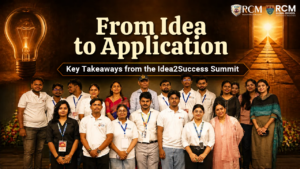
The Startup Pitch & Idea2Success Summit was designed so that aspiring entrepreneurs could present business concepts to industry experts, mentors and potential investors. For a student, a pitch is a compact business-school exam: market, customer, revenue, risk and ask, all in a few minutes.
Pitch practice typically strengthens four habits:
- Leading with the customer problem rather than the product.
- Backing claims with numbers, not adjectives.
- Answering jury questions calmly and honestly.
- Using feedback to refine the next version of the deck.
Founders preparing for similar stages can look at the investor-side checklist in What Investors Look for in a Startup Pitch in 2026.
What Do Entrepreneurial Stalls Teach That Classrooms Cannot?
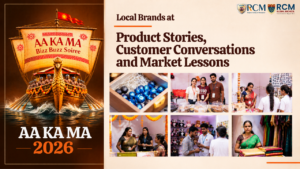
Stalls ran in parallel with the main programme, giving visitors, students, faculty and industry guests a chance to meet participating entrepreneurs and explore their products. For the person behind the table, the stall becomes a live lab for pricing, packaging, display and customer handling.
Students who want a closer look at this learning loop can read What Students Will Learn by Managing a Live Business Stall, and small business owners planning their own exhibition can use How Small Businesses Can Prepare for Their First Exhibition Stall.
The stall floor also showed how many Odisha businesses are led by women. That story is explored in Women Entrepreneurs in Odisha: Businesses, Barriers and Growth Opportunities.
How Does Networking Turn into a Business Outcome?
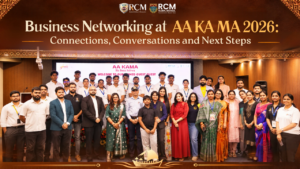
A conversation at a business carnival is only the first step. The value appears when participants follow up. The speaker line-up on the official page spanned startup advisory, venture investment, technology leadership, financial advisory and international business expansion, giving participants a wide range of perspectives to learn from.
A simple follow-up routine works well after any event:
- Send a short thank-you message within two days.
- Mention one specific point from your conversation.
- Share one useful link or next step, not a long sales pitch.
- Note every contact with a date and a reason to reconnect.
For more on building useful connections, see Startup Networking in Bhubaneswar: Where Founders Can Build Useful Connections.
Why Does Odisha’s Heritage Matter to Modern Enterprise?
Odisha’s trading story is not a museum piece. Festivals such as Bali Jatra commemorate the voyages that carried goods and ideas across the sea. Today, that same appetite for markets, risk and exchange shows up in local brands, handicraft businesses and food ventures across Bhubaneswar and the state.
Founders in Odisha can also tap public support. The Startup India platform and Startup Odisha offer information on recognition and state-level programmes, while the Ministry of MSME publishes schemes relevant to small enterprises.
Which RCM Programmes Link to This Kind of Learning?
The idea behind AA KA MA, learning by doing, runs through RCM’s programmes:
- MBA+ connects management concepts to industry-integrated projects.
- PGDM+ adds an AI-integrated approach to business learning.
- BBA+ builds business fundamentals for undergraduates through experiential activities.
- BCA+ suits students who want to build technology-led products and ventures.
Students from these programmes can use a live carnival to test ideas on real audiences, which strengthens both projects and interviews.
Key Takeaways from AA KA MA 2026
- Practice beats theory alone. Pitches and stalls turn concepts into skills.
- Feedback is the real prize. Jury and customer comments guide the next improvement.
- Connections need follow-up. Networking only pays when conversations continue.
- Heritage gives enterprise a story. Odisha’s maritime past offers a strong brand narrative.
Frequently Asked Questions
It is RCM’s Bizz Buzz Soirée, a two-day business carnival held on 14–15 November 2026 at the RCM Campus, Bhubaneswar.
It lets them practise pitching, selling and networking in a live setting instead of only studying them.
Prepare a clear pitch, talk to real customers, welcome feedback and follow up on every connection.
At the RCM Campus, Chandrasekharpur, Bhubaneswar, Odisha.
MBA+, PGDM+, BBA+ and BCA+ all link classroom concepts to live projects and industry exposure.
Its theme connects the trading spirit of ancient Kalinga’s Sadhabas with modern enterprise.