
Bhubaneswar Updates covered CAPXCHANGE 2026, the Finance Conclave hosted by Regional College of Management (RCM), Bhubaneswar, on 18–19 September 2026. The coverage highlighted how AI and machine learning are reshaping finance, hands-on financial modelling using Power BI, poster presentations on FinTech, AI and ESG, industry panel discussions, masterclasses, and reflections from RCM faculty and students on becoming industry-ready.
Table of contents
- What the Bhubaneswar Updates Coverage Shows
- Experiential Learning at the Heart of CAPXCHANGE 2026
- Financial Modelling and Power BI in Focus
- AI, FinTech, ESG and Sustainable Finance Take Centre Stage
- Industry Exposure, Panels and Masterclasses
- What RCM Faculty and Students Shared
- Where Readers Can Watch the Coverage
- Frequently Asked Questions
What the Bhubaneswar Updates Coverage Shows
The video coverage by Bhubaneswar Updates documented CAPXCHANGE 2026, held at RCM Bhubaneswar under the theme “Green Finance, Smart Future: Redefining Wealth in the Age of AI and Sustainability.” The report opens with an RCM representative, Abhinav Prayas, explaining how the arrival of AI and machine learning has reshaped the business world and made experiential exposure essential for students entering finance careers. The coverage moves through the conclave’s key components — competitions, panel discussions and masterclasses — before closing with perspectives from faculty and a participating student. As a piece of CAPXCHANGE 2026 media coverage, the video offers an on-ground view of how the CAPXCHANGE 2026 Finance Conclave unfolded over its two days.
Experiential Learning at the Heart of CAPXCHANGE 2026
A recurring theme in the coverage was that students cannot fully grasp financial concepts through classroom theory or online material alone. According to the RCM representative featured in the video, learners retain and apply knowledge best when they experience it directly. This philosophy shaped the conclave’s design, with organisers structuring activities so that every participating student engaged hands-on rather than observing passively — an approach consistent with experiential learning in finance as practised across RCM’s programmes.
Financial Modelling and Power BI in Focus
Two flagship competitions anchored the conclave. The first was a financial modelling competition in which students worked with realistic-world data and used Power BI to build forward-looking financial models. This component connected classroom finance theory to the kind of data-driven decision-making tools used in real industry settings. Students preparing for such analytical work often build these foundations through specialisations like the Data Science & Business Intelligence track under PGDM+, which is designed to strengthen exactly this kind of modelling and analytics capability.
AI, FinTech, ESG and Sustainable Finance Take Centre Stage
The second competition was an innovative poster presentation contest, where students presented ideas spanning FinTech, AI, ESG and sustainable business. This gave participants a platform to showcase their thinking on how technology and sustainability intersect with modern finance. These themes align closely with specialised tracks such as PGDM+ Green Finance & ESG (FinTech) and the MBA+ finance, leadership and strategy specialisation, both of which build on the same FinTech-ESG intersection explored at the conclave.
Industry Exposure, Panels and Masterclasses
The coverage noted that representatives from firms including EY and Deloitte were part of the conclave’s industry engagement. Two panel discussions were organised: one centred on AI, and the other on ESG, sustainable business practices and wealth management, with students invited to participate directly. Masterclasses led by industry trainers gave students further exposure to practical approaches — a focus mirrored in RCM’s MCA+ AI/ML specialisation, which trains students in the technical foundations behind the AI applications discussed at the panels.
What RCM Faculty and Students Shared
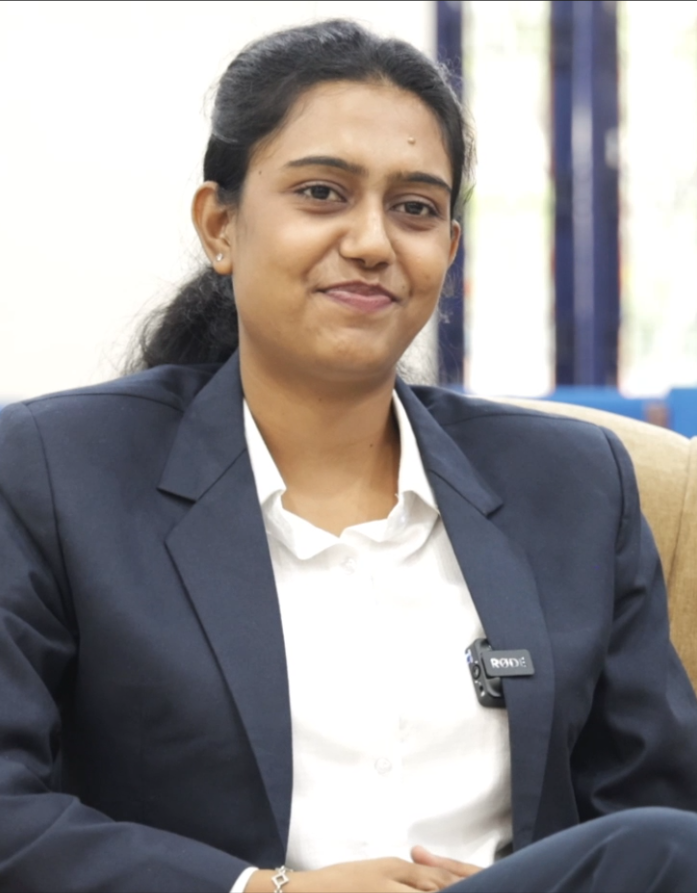
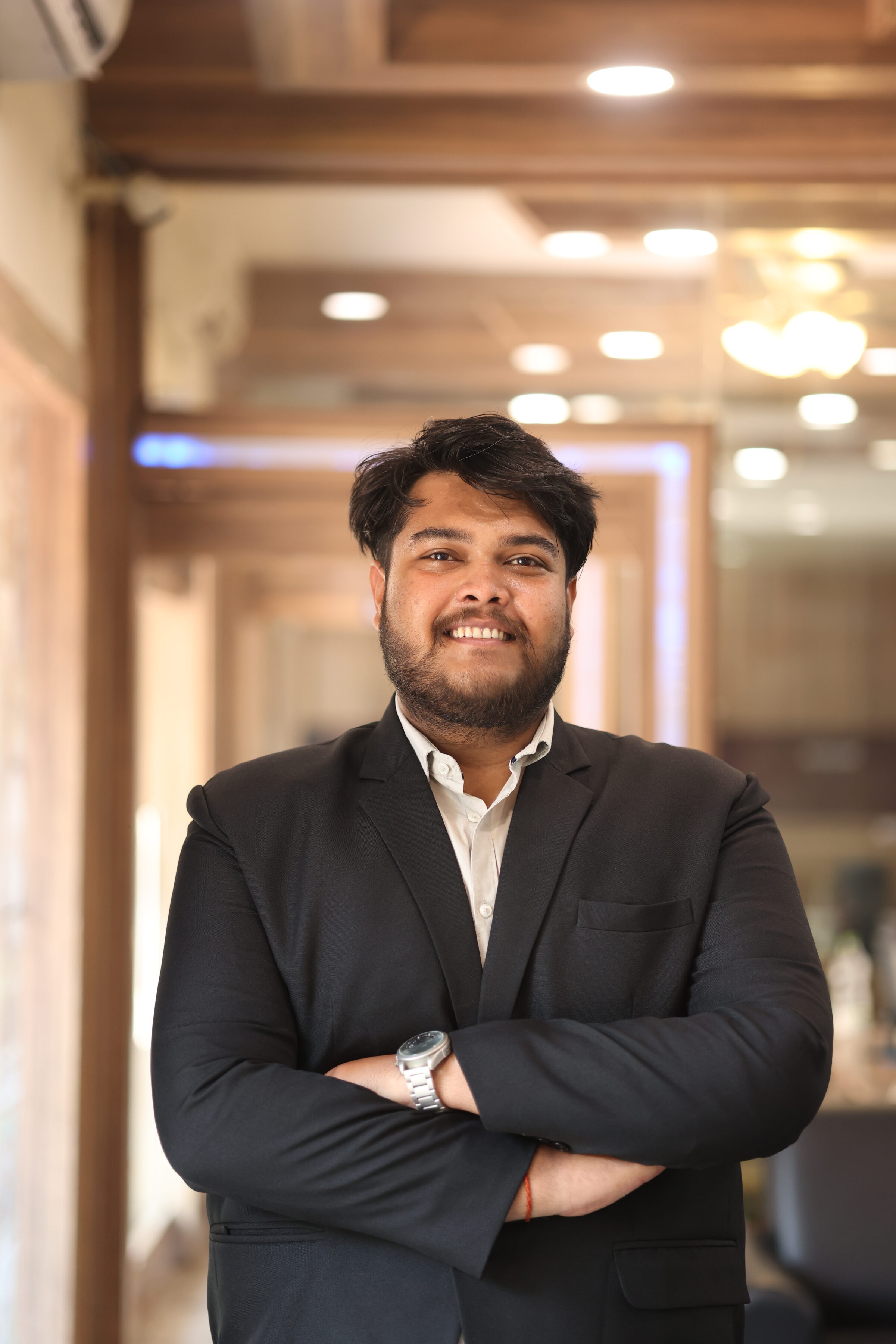
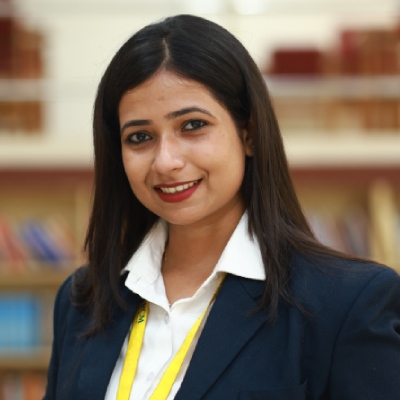
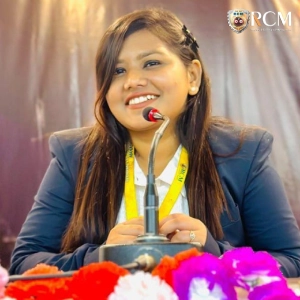
Dr. Shraddha Padi, Additional Director at RCM, told Bhubaneswar Updates that the business environment is changing rapidly. She said this makes it essential for students to learn from national and international leaders.
She outlined the conclave’s core objectives. These include helping students understand changes in the financial environment. The conclave also encourages collaboration with students from other universities. Another goal is to co-create new approaches to data modelling.
These approaches can help integrate emerging knowledge into the curriculum. Dr. Padi added that RCM regularly organises conclaves across HR, Finance and Marketing. These events aim to develop distinctiv
Finance student Sagar Kumar Sethi, who helped organise the programme, said the initiative aimed to collaborate with industry and share knowledge with sector leaders to help students become industry-ready. He noted that he had organised the two competitions covered in the video — financial modelling and poster making — as part of this year’s edition of CAPXCHANGE 2026 in Bhubaneswar. Students exploring similar business-analytics interests can find related grounding in the BBA+ business analytics specialisation.
Where Readers Can Watch the Coverage
The full video report by Bhubaneswar Updates, including the on-ground visuals and interview clips referenced in this article, is available on Facebook. Readers wanting fuller details on the conclave, including participation information, can visit the CAPXCHANGE 2026 event and registration page.
Frequently Asked Questions
CAPXCHANGE 2026 was a two-day Finance Conclave organised by RCM Bhubaneswar on 18–19 September 2026. It covered AI, FinTech, ESG, digital banking, wealth management and financial modelling.
The coverage highlighted experiential learning through financial modelling, Power BI, poster presentations, industry panels and masterclasses. It also featured insights from RCM faculty and a finance student.
Students gained practical exposure through financial modelling with real-world data, poster presentations and interactions with industry professionals. These activities helped connect classroom concepts with practical finance applications.
AI, FinTech and ESG were key themes across the conclave’s panels and competitions. Students explored topics such as AI in finance, sustainable business, wealth management and financial innovation.
The financial modelling competition allowed students to work with real-world data and use Power BI to develop financial models. It provided practical exposure to analytical tools and finance-related problem-solving.