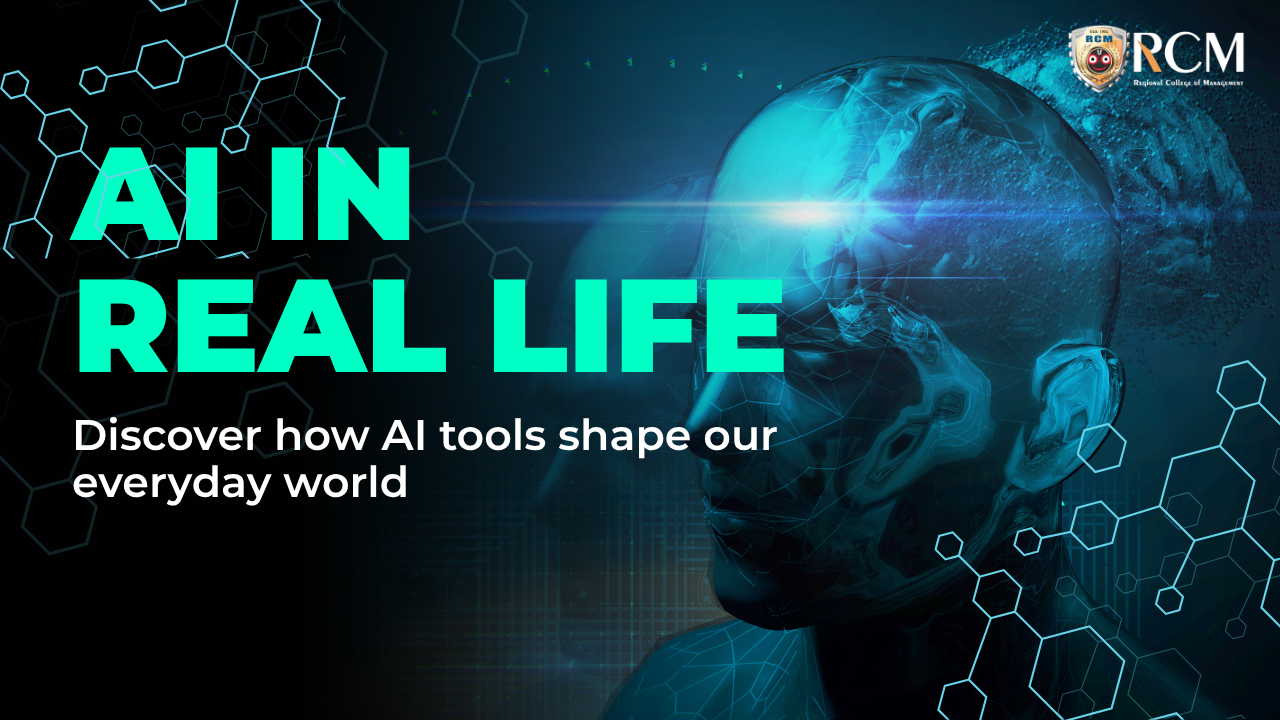
Artificial Intelligence (AI) is used in daily life through applications like virtual assistants, facial recognition, navigation apps, smart home devices, and personalized recommendations. AI tools enhance efficiency, simplify tasks, and drive innovation across industries. AI’s real-world uses are growing rapidly, making it a critical technology in modern life.
Introduction to Artificial Intelligence (AI)
Artificial Intelligence (AI) is revolutionizing how we live, work, and interact. From voice assistants to predictive algorithms, AI is no longer just a futuristic concept—it is part of our daily lives. As a foundational force in modern innovation, AI tools and applications have embedded themselves in everything from mobile apps to enterprise systems.
In this blog, we will explore 10 real-life uses of artificial intelligence, highlight the best AI products and tools, explain different approaches to AI, and guide you on how you can use AI in various fields.
10 Uses of Artificial Intelligence in Daily Life
- Virtual Assistants AI powers virtual assistants like Siri, Alexa, and Google Assistant. These tools perform tasks like setting reminders, sending messages, or searching the web using natural language processing (NLP).
- Smart Home Devices Devices like smart thermostats, lights, and security systems use AI to learn your preferences and automate your home environment.
- Facial Recognition AI is at the core of facial recognition technology used in mobile devices, airport security, and smart surveillance.
- Personalized Recommendations Platforms like Netflix, Amazon, and YouTube use AI algorithms to suggest content based on your viewing or shopping behavior.
- Navigation and Ride-Sharing Apps Google Maps and Uber use AI to provide real-time traffic updates, route optimization, and ride predictions.
- Healthcare Diagnosis AI tools assist doctors in diagnosing diseases, analyzing medical images, and predicting health risks.
- Chatbots and Customer Support Many websites and apps use AI chatbots for instant customer service, improving response time and user experience.
- Language Translation AI-based tools like Google Translate use neural networks to offer real-time translations across multiple languages.
- Email Filtering and Spam Detection AI helps detect spam emails and protect users from phishing attacks by analyzing content patterns.
- E-Learning Platforms AI is transforming education through adaptive learning, AI tutors, and personalized feedback systems.
Artificial Intelligence Tools and Products
Whether you’re a student, professional, or entrepreneur, using the best free AI tools can enhance productivity and creativity:
- ChatGPT & Copy.ai: For writing assistance
- Synthesia.io: AI-generated video creation
- Zapier: Automates repetitive tasks
- Grammarly: AI for grammar correction
- Canva AI: For automated design suggestions
These tools showcase real-world examples of how artificial intelligence products are simplifying complex tasks.
Applications of Artificial Intelligence in Real World
AI is used across a wide range of industries:
- Healthcare: Disease prediction, drug discovery
- Finance: Fraud detection, algorithmic trading
- Education: Smart content creation, virtual tutors
- Retail: Inventory forecasting, customer behavior prediction
- Manufacturing: Predictive maintenance, quality control
These artificial intelligence applications in daily life and professional domains demonstrate its massive impact.
AI Approaches and Machines
Understanding the four approaches of artificial intelligence is crucial:
- Reactive Machines (e.g., IBM’s Deep Blue)
- Limited Memory (e.g., self-driving cars)
- Theory of Mind (in development)
- Self-Aware AI (theoretical)
Examples of AI machines include humanoid robots, autonomous drones, and robotic process automation (RPA) bots.
How Can I Use AI?
If you’re asking, “How can I use AI?” here are simple steps:
- Explore free AI tools for content creation, marketing, and automation.
- Use AI platforms like IBM Watson, Google AI, and OpenAI.
- Apply AI to daily tasks like scheduling, writing, research, or design.
- Leverage AI-based tools in your field—be it healthcare, education, or business.
Best AI Platforms in 2025
These platforms provide accessible AI tools and APIs that you can use for building intelligent systems.
Conclusion: How RCM Helps You Master AI
Artificial Intelligence is shaping the future, and now is the perfect time to become part of this tech revolution. If you’re wondering how can we achieve artificial intelligence in real life, the answer lies in the right education and tools.
RCM (Regional College of Management), the premier institute in India and the top management college in Odisha, offers specialized courses in Artificial Intelligence and related fields through its Plus Programs.
Whether you’re a student after intermediate or a graduate, RCM provides AI-focused education through:
- MBA in Business Analytics & AI
- BBA with AI modules
- BCA/MCA with AI and ML specialization
- PGDM with AI tools training
Start your journey with AI today. Enroll in RCM’s Plus Programs and become a future-ready AI professional. Visit www.rcm.ac.in to learn more and apply!
FAQ
1. What are the top artificial intelligence tools in 2025?
✅ TensorFlow, ChatGPT, IBM Watson, and Copilot lead the list.
2. Which AI tool is best for content writing?
✅ ChatGPT and Jasper AI are top choices for content creation.
3. Can AI tools be used for coding?
✅ Yes, tools like GitHub Copilot and Replit Ghostwriter assist in coding.
4. Is there a free AI tool for students?
✅ Google’s Teachable Machine and IBM SkillsBuild offer free AI access.
5. How do AI tools help in business?
✅ They automate tasks, enhance customer service, and boost decision-making.