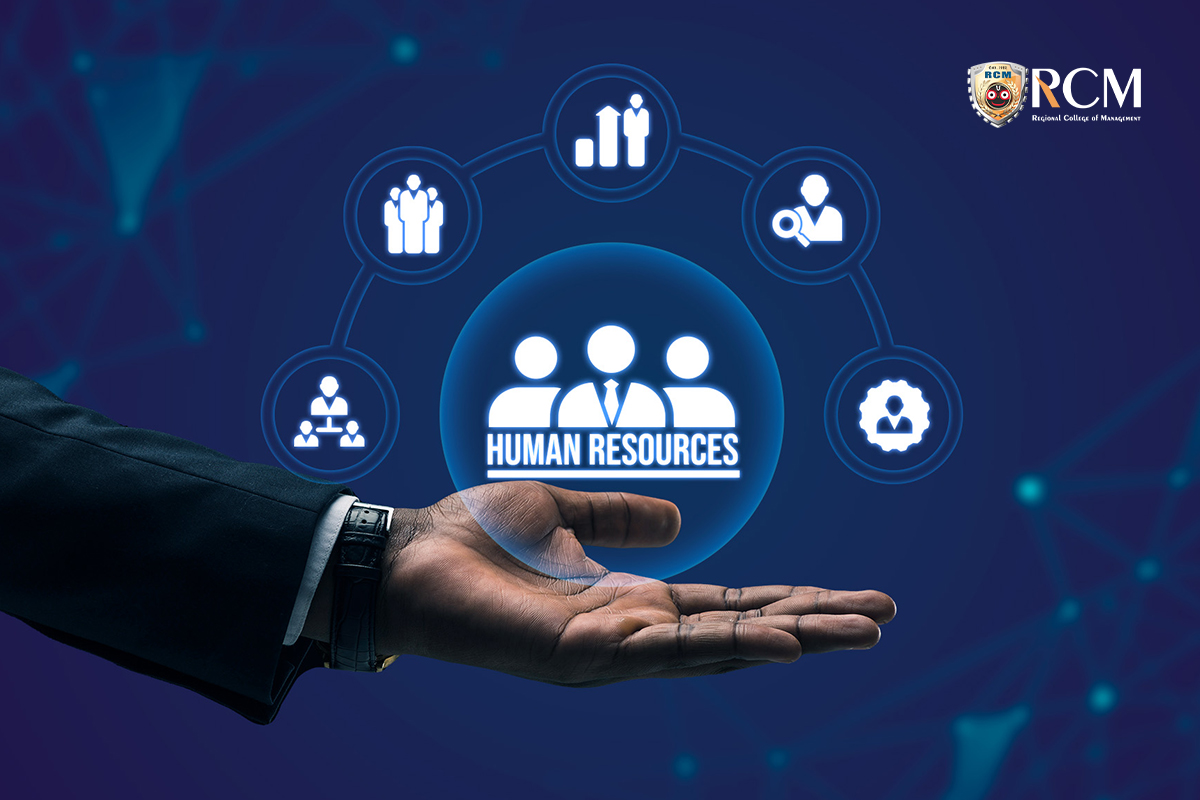
HRM stands for Human Resource Management. It involves strategic people management through talent acquisition, employee performance tracking, training, and succession planning. Modern HR functions now leverage HR analytics, automation, and digital tools to boost productivity, enhance company culture, and drive overall business success.
Introduction: Why HRM Matters More Than Ever
Human Resource Management (HRM) is transforming from a traditional administrative task into a strategic powerhouse. With the rise of digital HR management tools, automation, and changing workforce expectations, HR functions now drive talent acquisition, employee performance, and overall business success.
What Is HRM? (HRM Full Form Explained) HRM Full Form:
Human Resource Management HRM involves managing people strategically within an organization to boost productivity, culture, and long-term success. It now includes HR analytics, HRMS tools, and employee data systems to inform better decision-making.
Core HR Functions in the Modern Workplace
- Talent Acquisition: Finding, screening, and hiring top talent to meet business goals.
- Employee Performance Management: Monitoring and improving how employees perform through feedback, KPIs, and upskilling.
- Succession Planning: Preparing future leaders to maintain company growth and culture.
- Learning & Development: Upskilling and reskilling employees to remain competitive.
- Workforce Planning: Aligning employee capabilities with organizational strategy.
- Company Culture & Engagement: Building positive work environments and aligning employee values with company missions.
- HR Analytics: Using employee data to make informed HR decisions.
- Administrative Tasks Automation: Streamlining payroll, attendance, and working hours tracking.
Key Trends Shaping HR Functions
- Digital HR Experience: AI, HRMS platforms, and cloud-based tools enhance onboarding, employee engagement, and communication.
- Millennial Workforce Management: Remote work, flexible working hours, and gamified training cater to Gen Z and millennial professionals.
- Virtual Teams and Global Talent: Managing a global workforce with tools like Zoom, Slack, and collaborative HR platforms.
How RCM Prepares Future HR Leaders
At the Regional College of Management (RCM), our HRM programs teach:
- Strategic HR decision-making
- Tools for HR analytics and digital performance tracking
- Certifications aligned with industry needs
- Real-world case studies and internships
Milestones in HR Evolution
- 1890s: Scientific management focused on efficiency
- 1940s: Rise of employee motivation and unions
- 1980s-Present: HRM becomes strategic, global, and tech-driven
Future of HR Functions
- AI-led recruitment and onboarding
- Big data in employee performance
- Global HR outsourcing
- Greater focus on employee experience and company culture
Measuring HR Effectiveness: KPIs That Matter
- Time-to-hire
- Employee turnover rate
- Onboarding completion rate
- Training ROI
- Engagement scores
Conclusion: Why HRM and HR Functions Are Vital Today’s HR professionals are strategic leaders, not just administrators. HRM directly impacts business outcomes, from employee productivity to retention. The HR functions of the future are digital, people-centric, and data-driven.
RCM trains you to lead this transformation. Apply now to our MBA, BBA, and PGDM PLUS Programs in HRM.
FAQ
1: What is HRM in simple words?
HRM stands for Human Resource Management. It refers to how companies manage people for better productivity and success.
2: How has HRM changed in recent years?
HRM has shifted from administrative tasks to a strategic function, focusing on analytics, employee experience, and automation.
3: What skills do modern HR professionals need?
Skills in HR tech, analytics, digital communication, and strategic thinking are essential for success.
4: Why is HRM important for organizational success?
HRM directly impacts employee engagement, retention, productivity, and culture—all critical to long-term business success.