Watch Odisha Prabhab's coverage of CAPXCHANGE 2026 at RCM Bhubaneswar, featuring AI in finance, green finance, ESG, FinTech and financial modelling.
Regional College of Management


Explore experiential learning in finance at RCM Bhubaneswar through financial modelling, AI, FinTech, ESG, competitions and industry interaction.

Watch Chandrama Khabar’s CAPXCHANGE 2026 press meet coverage at RCM Bhubaneswar, featuring finance, AI, FinTech, ESG and experiential learning.

Watch RCM Bhubaneswar’s CAPXCHANGE 2026 pre-event coverage featuring finance, AI, FinTech, ESG, financial modelling and industry-led learning.

Explore CAPXCHANGE 2026 pre-event coverage on experiential finance learning, AI, FinTech, ESG and industry collaboration.

Watch the CAPXCHANGE 2026 official teaser and discover RCM Bhubaneswar’s Finance Conclave exploring AI, FinTech, green finance, ESG and sustainability.

Explore INIZIO 2026 Day 3 at RCM Bhubaneswar, featuring Corporate India Quest, industry research, Radiant Club and career-focused experiential learning.

INIZIO 2026 Day 2 at RCM Bhubaneswar: MBA Orientation 2026–28 turns experiential learning into action via BrioBridge, Ace the Race, Ad Mad Show and Victors Club.

Discover how Gayatri built Mamuni Arts & Crafts from a passion for canvas and portrait painting into a handmade business, featured at AA KA MA Bizz Buzz 2025, RCM Bhubaneswar.

Watch BOCCA Café's AA KA MA 2025 conversation on reading books, coffee, book clubs, shrinking attention spans and the Blind Date with a Book concept.

Watch Day 1 of RCM’s 5-Day Faculty Development Program on mastering communication and classroom presence, capturing attention, engaging students, and teaching with purpose.

Discover INIZIO 2026 at RCM Bhubaneswar, welcoming MBA Batch 2026–28 through orientation, faculty interaction, senior support and campus life.

Watch Day 2 of RCM Bhubaneswar's FDP 2026 on AI for Teaching & Resource Development, covering AI in higher education, learning design and academic resources.

Explore AI in education with Sashidhar Ambatipudi on AI-powered teaching, assessment, prompt architecture, research workflows and faculty productivity.

Learn personal branding for academics through the 5 C’s framework and a practical 30-day visibility plan in this RCM Bhubaneswar FDP session.

Explore how AI in education is reshaping teaching at RCM Bhubaneswar, with Bobby Patnaik's 5C1P framework and inquiry-based learning for future-ready classrooms.

Watch Nitesh Gawade share practical career guidance for students: land your dream job, build employability skills, and grow your LinkedIn profile at RCM.

What SpeakFest 2026 leaders say about AI, trust and human decision-making. Explore leadership in the age of AI with insights from RCM Bhubaneswar's panel.

What SpeakFest 2026 leaders say about AI, trust and human decision-making. Explore leadership in the age of AI with insights from RCM Bhubaneswar's panel.

Learn practical AI, LLM, data management, full-stack and DevOps skills through RCM Bhubaneswar’s industry-focused learning for BCA+ and MCA+ students.

Explore Wonderla placement experience, MBA interview tips, marketing careers, and placement success at RCM.

Discover how RCM Bhubaneswar transforms degrees into career-ready skills through AI, cloud computing, cybersecurity, live projects, internships, and placements.

Inside the boys' and girls' hostels at RCM Bhubaneswar — shared rooms, canteen food, 24×7 security, and the everyday friendships that shape campus life for MBA, PGDM, MCA, BBA and BCA students.
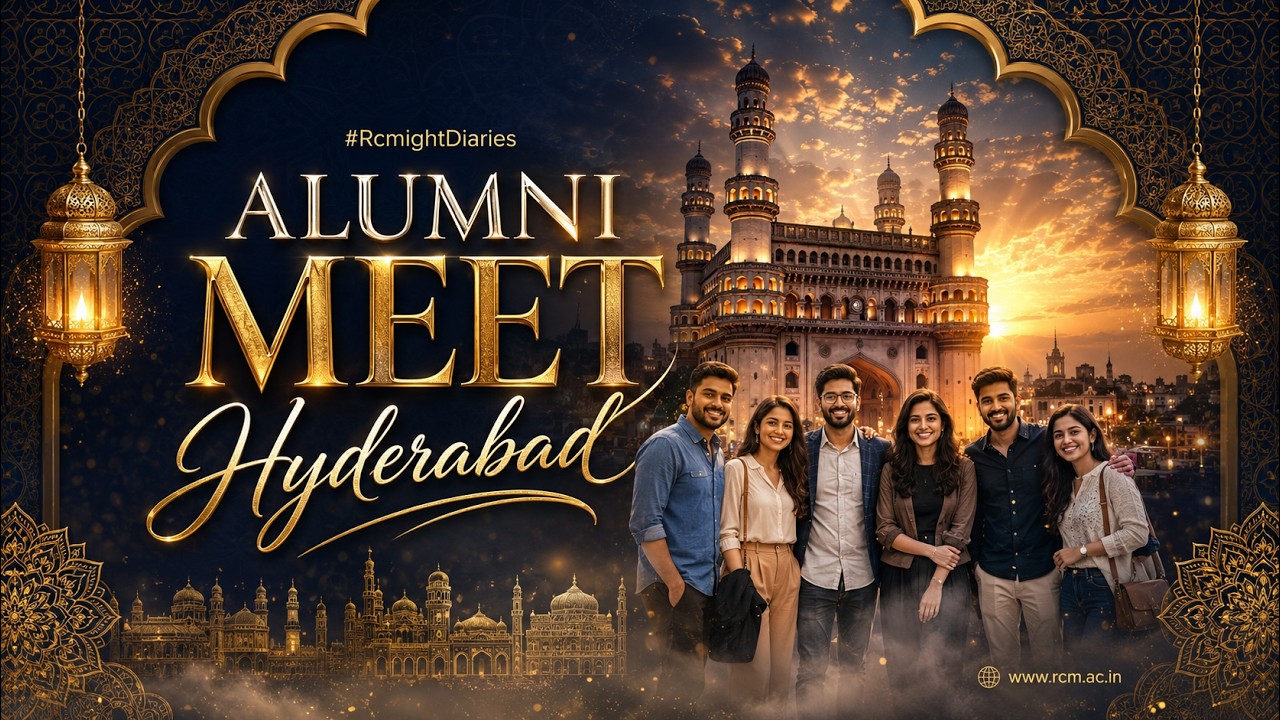
Watch the official highlights of the RCM Hyderabad Alumni Meet 2026 featuring inspiring alumni success stories, leadership insights, the JP Morgan keynote by Vivek Vidyarthi, the AI-FIRST Learning Ecosystem, the PLUS Programme, and memorable moments celebrating RCM's 44-year legacy.

RCM Placement Diaries breaks down what really gets finance freshers selected — confidence over perfection, why SIP experience matters, and practical tips for MBA and BBA finance placements.

A concise overview of an MBA student’s journey from Regional College of Management (RCM) to securing a Branding Executive role at OPPO, highlighting practical interview tips, confidence‑building activities, and key success factors that any MBA candidate can apply.

RCM Bhubaneswar MBA students break down their Allcargo Logistics placement experience — mock interviews, ACIP prep, SIP interviews, and how they landed Territory Sales Manager roles across Bangalore, Chennai and Hyderabad.

An inspiring placement journey from RCM to Dubai, where a student shares interview experiences, communication skills, mock interview preparation, and practical career advice for aspiring professionals.
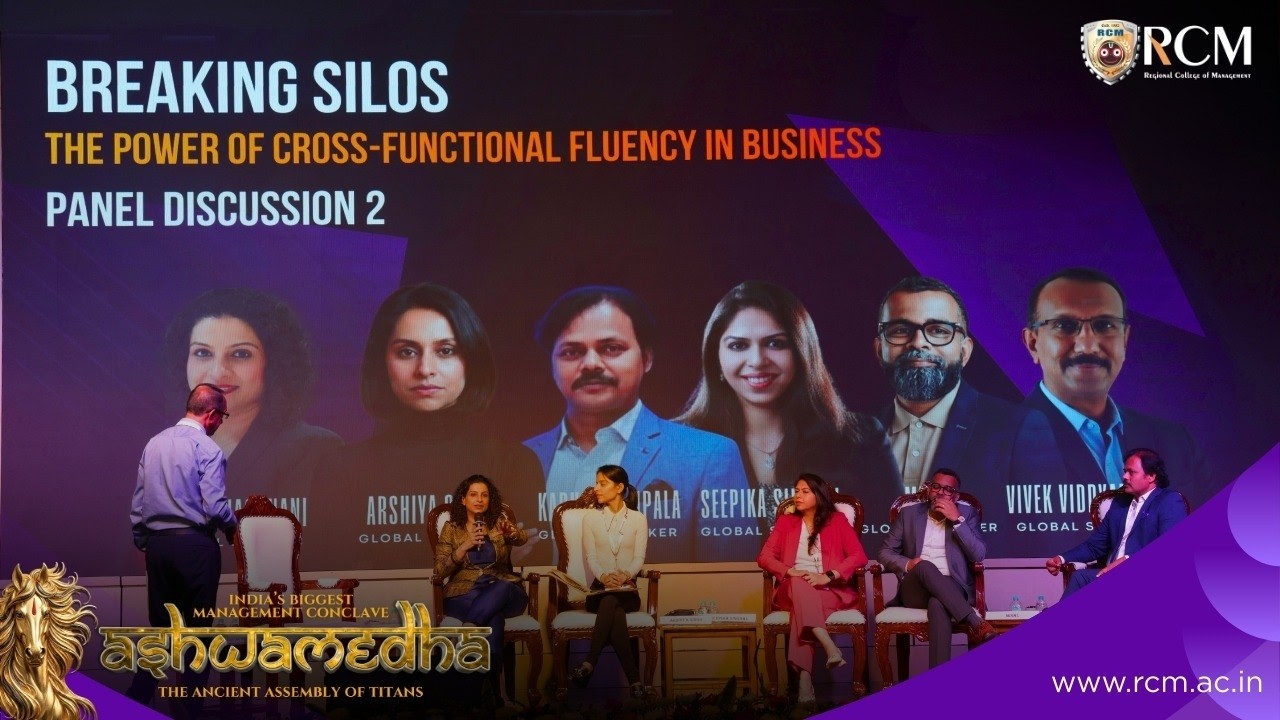
Senior leaders from technology, consulting, and talent management break down why no business grows in isolation anymore. Panel 3 of Ashwamedha 2026 (RCM Bhubaneswar) covers ecosystem thinking, human-AI collaboration, and what Industry 5.0 demands from future leaders.

MCA students from Regional College of Management (RCM), Bhubaneswar share their first-hand Cognizant placement experience — covering skills required, Python interview questions, the Full Stack preparation strategy, daily study routine, startup vs MNC comparison, and final advice for campus placement aspirants.
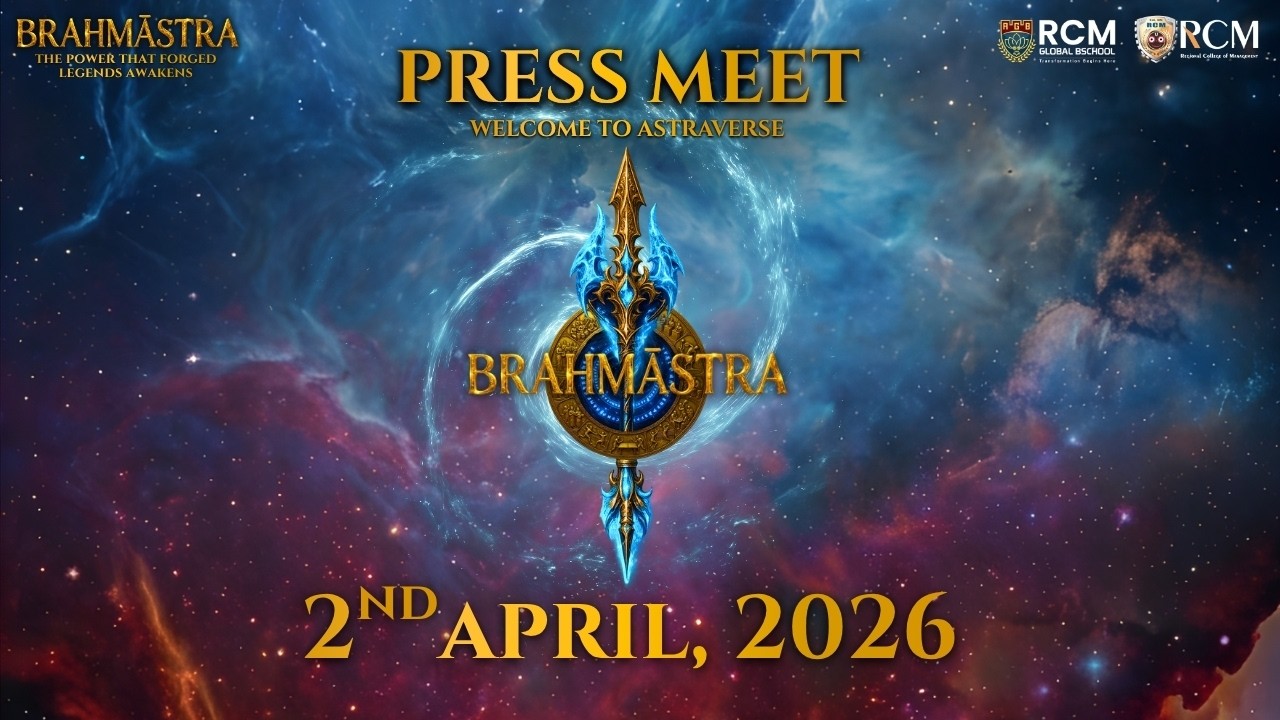
Regional College of Management officially unveiled Brahmastra 2026 at a press meet in Bhubaneswar — a five-day national college fest running April 7–11, featuring 42 events across culture, tech, management, sports, and corporate leadership, with a prize pool of over ₹27 lakhs.
At Ashwamedha 2026, Eastern India's biggest management conclave, six senior industry leaders from NASDAQ, KPMG, BCG, EXL, and Coverent came together for an unscripted panel discussion on one of corporate life's most persistent challenges — the organizational silo. From cross-functional acumen and T-shaped careers to matrix structures, employability gaps, and the Sony Walkman case study, this session gives MBA, BBA, PGDM, and tech students a direct window into what collaboration-driven leadership looks like — and what recruiters are actually assessing for in 2026.
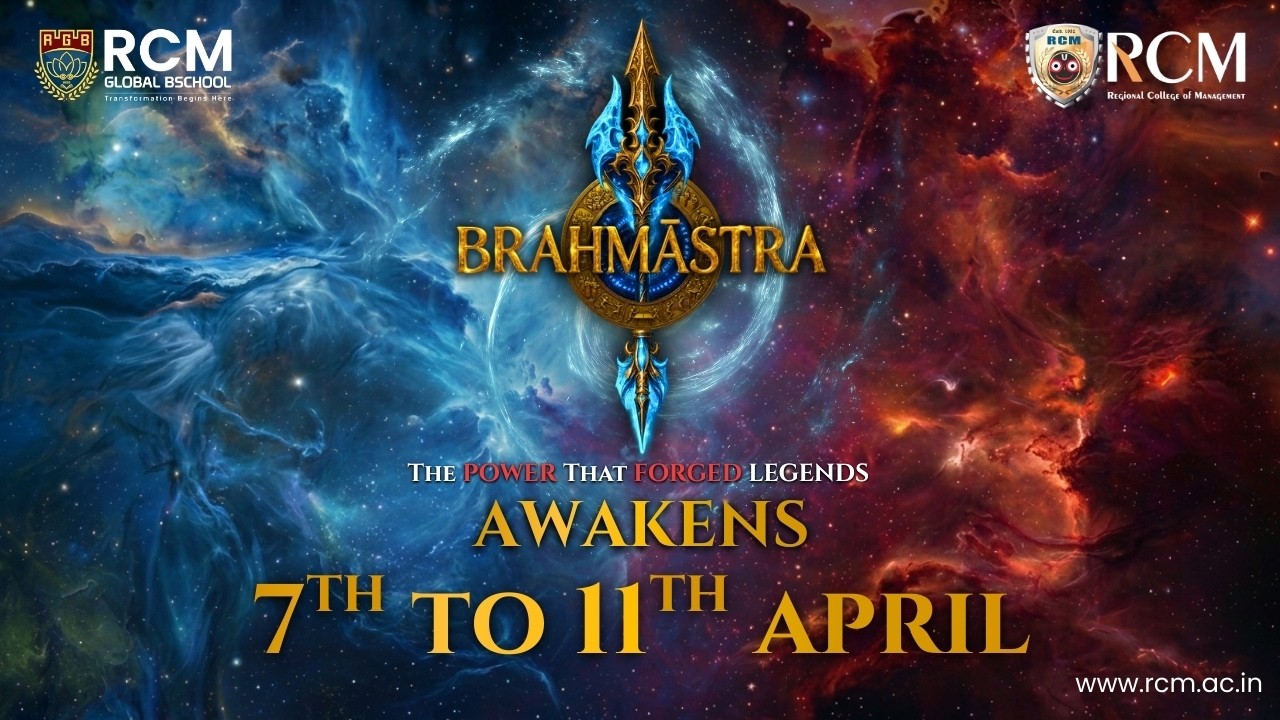
Watch the official Brahmastra 2026 promo video — RCM Bhubaneswar's legendary college fest. April 7–11, 2026. 10,000+ participants across 5 arenas.
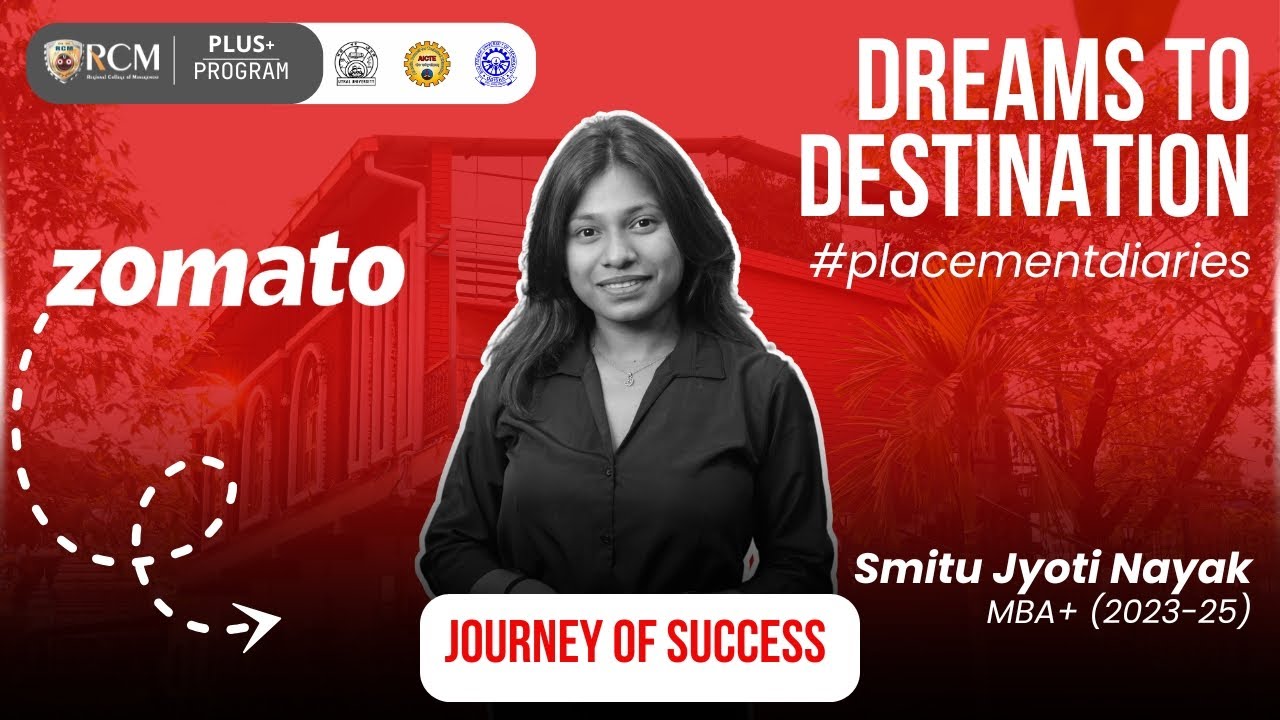
Smitu Jyoti Nayak, MBA 2023–25, shares her placement success journey from RCM Bhubaneswar to Zomato — a story of dreams meeting destination.