Day 5 | 5-Day - FDP Program 2026

Personal Branding for Academics: The 5 C’s & 30-Day Visibility Plan

A practical session on building academic digital visibility through expertise, useful content, professional connections and a consistent online presence.

Regional College of Management

What is personal branding for academics?

Personal branding for academics is the deliberate development of a faculty member’s professional identity, expertise and research visibility across academic and professional platforms such as ORCID, Google Scholar, ResearchGate, Scopus and LinkedIn.

In RCM Bhubaneswar’s Faculty Development Programme, Dr. Ajit Kumar Kar presents a practical framework built around Competence, Consistency, Content, Connections and Credibility, followed by a four-week plan covering Foundation, Optimization, Engagement and Review.

SESSION AT A GLANCE

The page in eight facts.

Topic

Personal Branding for Academics

Speaker

Dr. Ajit Kumar Kar

Role

Dean of Management Studies

Institution

RCM Bhubaneswar

Programme

5-Day- Faculty Development Programme 2026

Framework

5 C’s

Visibility platforms

ORCID · Scholar · ResearchGate · Scopus · LinkedIn

Action plan

30 Days · 4 Weeks

QUICK ANSWER

Academic personal branding, in one view.

Academic personal branding makes genuine academic expertise discoverable online. The RCM FDP session frames it around five factors — Competence, Consistency, Content, Connections and Credibility — supported by relevant academic and professional platforms.

30-day sequence: Foundation → Optimization → Engagement → Review.
ABOUT THE SESSION

Make academic expertise visible.

Academic impact does not stop at research, teaching or publications. It also depends on whether that expertise can be discovered by peers, students, collaborators and professional communities.

In this session, Dr. Ajit Kumar Kar explains how faculty can strengthen their digital presence by making their expertise clear, maintaining consistent profiles, sharing useful content and building meaningful professional connections.

Key Takeaways

What faculty can apply.

Use the 5 C’s

Build academic visibility around competence, consistency, content, connections and credibility.

Prioritize the right platforms

Maintain accurate researcher and professional identities across relevant platforms.

Make content useful

Share research findings, teaching innovations, reflections and professional insights.

Build a 30-day habit

Move from foundation to optimization, engagement and review.

RCM FDP FRAMEWORK

What are the 5 C’s of academic personal branding?

The five factors presented in the session connect academic capability with consistent digital visibility.

Competence

Research output, publications, teaching quality and subject expertise form the foundation of the academic brand.

Consistency

Maintain a recognizable professional voice and sustainable presence instead of occasional bursts of activity.

Content

Share research findings, teaching innovations, reflections and useful professional knowledge.

Connections

Build meaningful relationships with researchers, faculty, students, alumni and industry professionals.

Credibility

Trust develops over time when expertise, content, consistency and connections are sustained.

ACADEMIC DIGITAL IDENTITY

Which platforms should academics use for research visibility?

Faculty do not need to be active everywhere. The session highlights five platforms that can play different roles in an academic digital identity.

ORCID

Researcher identity and publication linking

Google Scholar

Publication history and citation indicators

ResearchGate

Research sharing and researcher networking

Scopus

Indexed research and citation tracking

LinkedIn

Professional networking and expertise-led content

ACADEMIC DIGITAL IDENTITY

How can faculty build an academic digital presence in 30 days?

WEEK 1

Foundation

Complete core profiles and establish or update your researcher identity.

WEEK 2

Optimization

Refine profiles for clarity and search relevance, then begin sharing useful content.

WEEK 3

Engagement

Build relevant connections, participate in professional conversations and explore collaboration.

WEEK 4

Review

Review visibility and engagement signals and adjust the content strategy.

SESSION SPEAKER

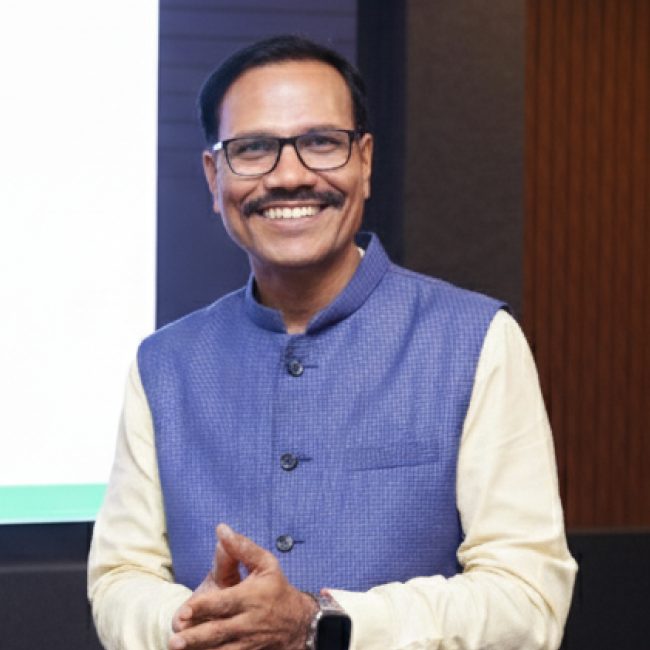
Dr. Ajit Kumar Kar

Dean of Management Studies · Regional College of Management, Bhubaneswar

Dr. Ajit Kumar Kar is presented in this FDP session as a global coach, author and speaker with close to two decades of experience across change management, HR and organizational learning.

Admissions 2026

Limited Seats Available for 2026 Enrollment!

Don’t miss your chance to secure a spot for 2026. Enquire today!

keep watching

Highlights from RCM Events

KEY INSIGHTS

What the session emphasizes.

Visibility supports discoverability

Academic work can reach more relevant audiences when the faculty member's digital identity clearly represents their expertise.

The 5 C’s work together

Competence, consistency, content, connections and credibility form a connected framework rather than isolated activities.

Prioritize relevant platforms

A focused presence on appropriate academic and professional platforms is more practical than trying to maintain every channel.

Connections

Build meaningful relationships with researchers, faculty, students, alumni and industry professionals.

QUESTIONS FACULTY ASK

Academic personal branding FAQ.

Q01What is personal branding for academics?
Personal branding for academics is the deliberate development of a faculty member’s professional identity, expertise and research visibility across relevant academic and professional platforms.

It can make research, teaching expertise, publications and professional knowledge more discoverable to peers, students, collaborators and industry.

The 5 C’s presented in the session are Competence, Consistency, Content, Connections and Credibility.
The session highlights ORCID, Google Scholar, ResearchGate, Scopus and LinkedIn.
The session divides the process into Foundation, Optimization, Engagement and Review across four weeks.
Faculty can periodically review profiles, publications, content and engagement. A quarterly review can provide a useful ongoing rhythm.